Public Events
From Planning to Passage: Advancing Aquatic Connectivity in the Narragansett Bay Region
Monday, Oct 27, 2025
9:00am – 5:00pm
9:00am – 5:00pm
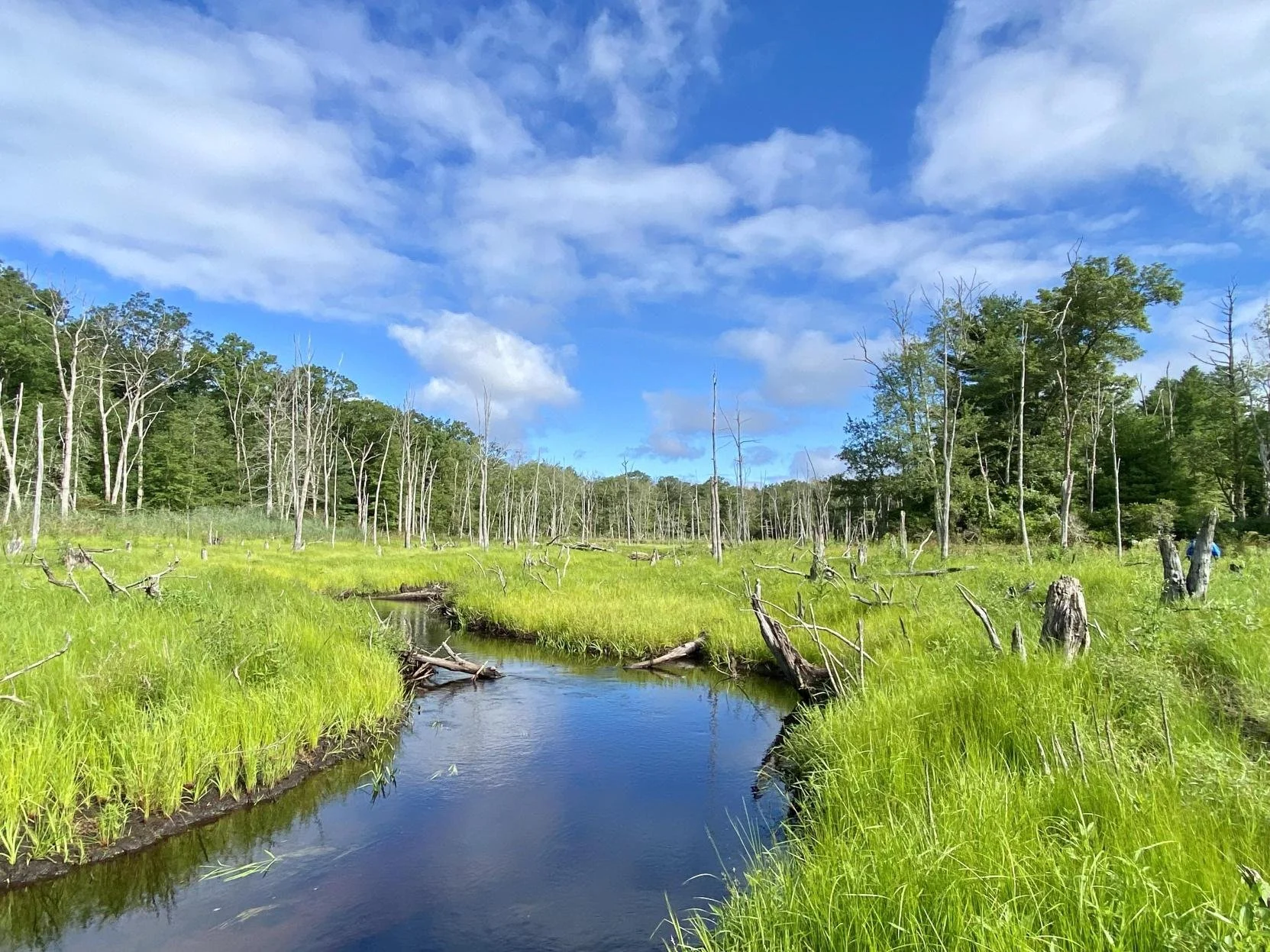
The aquatic connectivity working group works towards advancing stream connectivity through increasing practitioner capacity and access to information, improving outreach and education, convening relevant parties to streamline permit requirements and demystify regulations, and helping the public understand the benefits of barrier removal.
The aquatic connectivity working group works towards advancing stream connectivity through increasing practitioner capacity and access to information, improving outreach and education, convening relevant parties to streamline permit requirements and demystify regulations, and helping the public understand the benefits of barrier removal.
After an October 2025 in person workshop on aquatic connectivity, this group was formed to accelerate barrier removal projects throughout the region. There are over 1000 dams in the region and 1000’s of undersized or perched road crossings that prevent fish and wildlife from safety using stream corridors and accessing habitat, create public safety issues, and degrade water quality and habitat conditions.
This group will meet quarterly and participate in activities such as barrier prioritizing, communications, development of materials, and convening of key individuals. This group is open to anyone to join and currently has representatives from state and federal agencies, non-profits, and academia.